Rainbirds by Clarissa Goenawan: a review
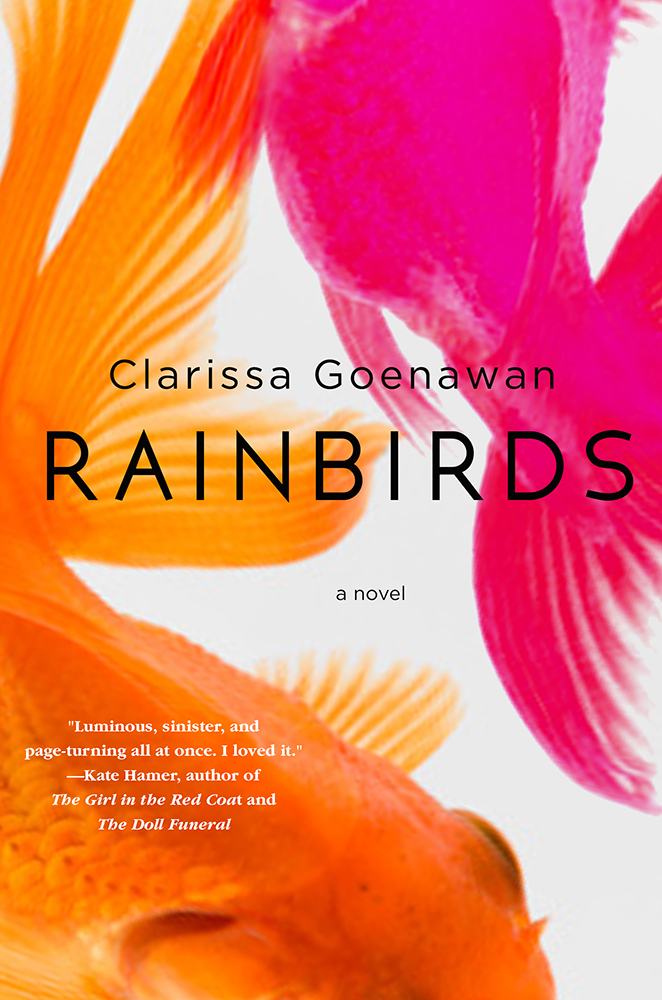

I'll be honest, I picked this book up because of the cover (no shame, we've all done it), but I stayed for the mood. Rainbirds opens with about as blunt a hook as you can get — Ren Ishida's older sister Keiko has just been stabbed to death on a rainy street in a sleepy Japanese town — and yet the book that follows is the opposite of frantic. It's quiet, almost eerily so, like being handed a lantern and told to wander through someone's grief at your own pace. Ren heads to the town of Akakawa to settle his sister's affairs and, in classic "wait, should I be doing this?" fashion, ends up taking over her teaching job and moving into her old room at a wealthy politician's mansion. It's a premise that should feel implausible, but somehow it just... works, pulling you along like you're the one stepping into a dead woman's shoes.
What really sold me was how the book lets grief sit there uncomfortably instead of rushing to resolve it. Early on, Ren admits something so simple it nearly flattened me: "The day my sister died, a part of me died, too." That's basically the thesis of the whole novel — not a whodunit racing toward a tidy answer, but a slow, melancholy excavation of who Keiko really was, and by extension, who Ren is once the one anchor in his life is gone. There's a dreamlike quality running through the whole thing too, with strange recurring visions of a young girl trying to tell Ren something, and instead of feeling like a gimmick, it adds this hazy, half-remembered texture that makes the whole book feel like you're piecing together a memory rather than reading a plot.

And can we talk about the atmosphere for a second, because it's doing so much heavy lifting here. Akakawa itself becomes a character — foggy, small, a little claustrophobic, full of people who all seem to be hiding something behind extremely polite conversation. Goenawan's prose is spare in the best way; she doesn't waste a sentence, but somehow still makes you feel the weight of rain-soaked streets and unspoken family wounds. If you're the kind of reader who loves books that trust you to sit in ambiguity rather than spelling everything out, this one will get under your skin in the best way. I finished it feeling wrung out and a little haunted, in that particular way only a really good, quietly devastating book can manage — the kind you close and then just sit with for a minute before doing anything else.