Starfish by Lisa Fipps: a review
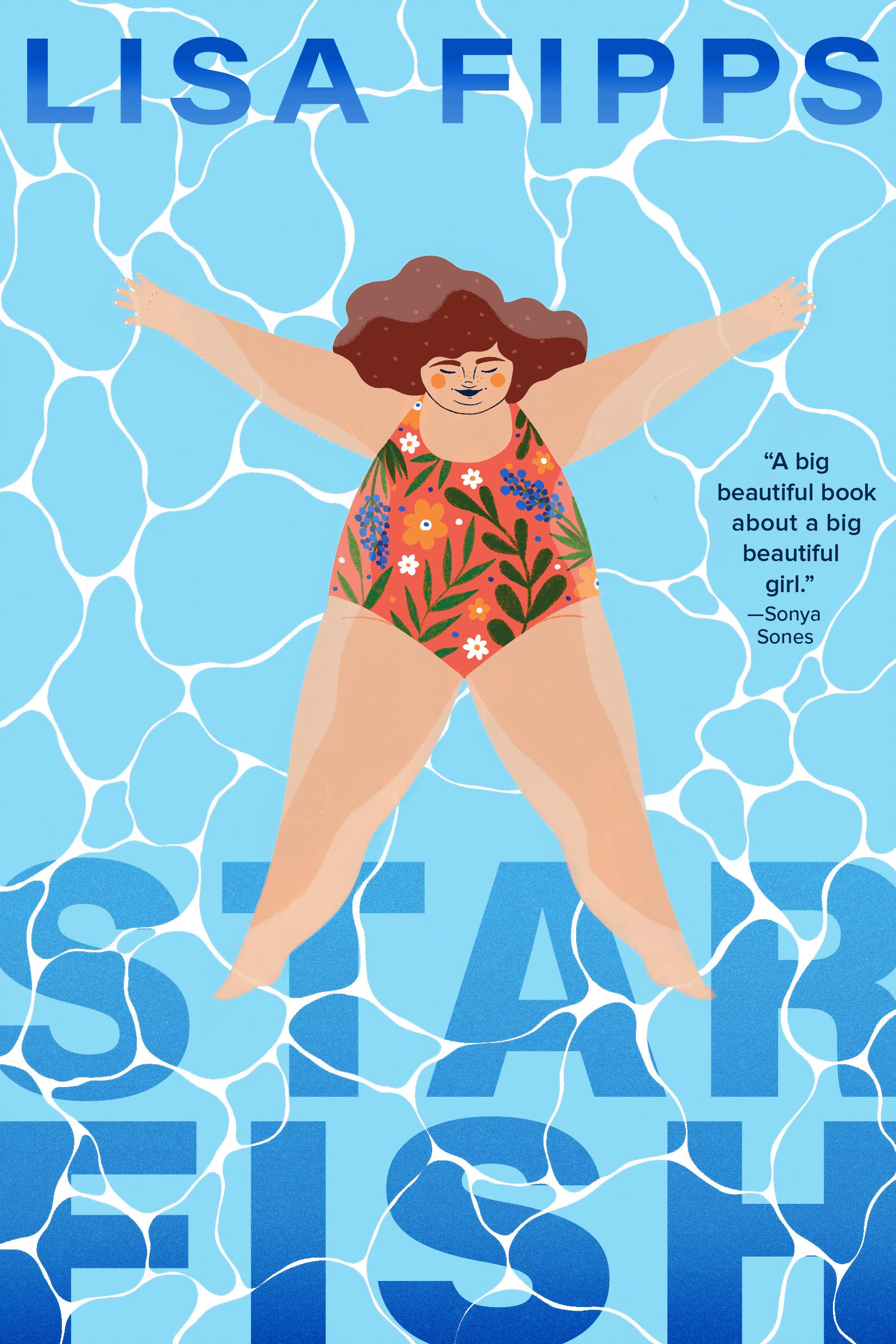

Okay, I'll admit it — a "novel-in-verse for middle schoolers" is not usually my go-to, but Starfish completely wrecked me in the best way possible. Ellie has been bullied about her weight since she was five years old, and she's built a whole rulebook to survive it — things like "No cannonballs. No splashing. No making waves. You don't deserve to be seen or heard, to take up room, to be noticed. Make yourself small." I read that early on and just sat there for a second, because it's such a gut-punch of an idea — a kid learning to shrink herself just to get through the day. What follows is this sparse, poetic gut-check of a book that somehow packs more emotional weight into single lines than most novels manage in whole chapters.
The thing that really got me was how the book treats the pool — Ellie's one safe place — as this gorgeous, almost sacred metaphor. In the water she can finally stretch out, take up space, be a starfish instead of folding herself into nothing, and by the end she's applying that same idea to real life, declaring "I deserve to be seen. To be noticed. To be heard. To be treated like a human. I starfish. There's plenty of room for each and every one of us in the world." Honestly, chills. It's the kind of line that feels like it was written specifically to be underlined, dog-eared, and texted to a friend at 2am. And the people rooting for Ellie in the margins of her life — her dad, her therapist, her fiercely loyal neighbor Catalina — give the book just enough warmth that it never tips into pure misery; you're rooting for her the whole way, not just wincing on her behalf.

What surprised me most is how universal this ends up feeling even though it's ostensibly "about" being fat. It's really about the specific ache of being told, over and over, that you take up too much room in the world — literally or otherwise — and slowly, painfully learning that's a lie. There's a small, quiet moment about a school librarian that stuck with me just as much as any of the big emotional beats: "It's unknown how many students' lives librarians have saved by welcoming loners at lunch." That's the kind of detail that tells you Fipps knows exactly what she's doing — she's not just cataloguing cruelty, she's also cataloguing the small kindnesses that get people through it. I finished this book in one sitting, got a little misty more than once, and walked away wanting to hand it to every kid I know — and honestly, every adult who still carries around some version of Ellie's Fat Girl Rules in their head too.